Confirmed plans as at 19 July 2026

The 2030 World Cup in Morocco: Significance for property buyers

The 2030 World Cup in Morocco: assess the confirmed host framework, infrastructure and local property implications without promises of prices or returns.

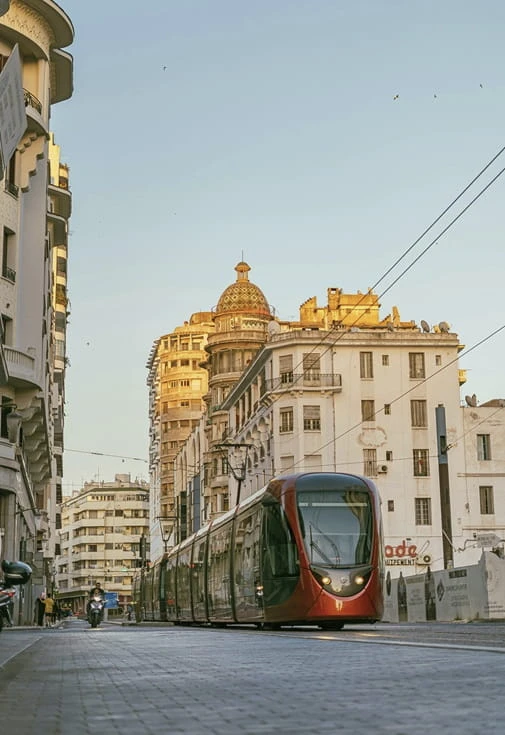
Casablanca tram as an example of urban infrastructure ahead of the 2030 World Cup

Direct answer

A clear explanation of the 2030 World Cup in Morocco and its significance for property buyers

The 2030 World Cup in Morocco forms part of an exceptional hosting framework: according to official FIFA information, Morocco, Portugal and Spain will host the tournament, supplemented by centenary matches in Argentina, Paraguay and Uruguay. As at 19 July 2026, Moroccan bodies are supporting preparations as a strategic development project. For property buyers, this is relevant context but no guarantee of appreciation or letting. The decisive questions remain which specific, confirmed measure actually affects a micro-location, when it will become usable and whether the property already fits the price, intended use and budget today.

This page separates confirmed host information, national planning and possible local consequences. It is not an investment forecast. DACHMA can relate a specific address to current infrastructure information, routes and comparable listings. The project status, ownership, construction condition, permitted use and running costs are reviewed independently. Anyone buying solely because of the tournament assumes concentrated event risk; anyone able to use the property over the long term assesses the World Cup as one of several location factors.

Official guidance: FIFA — hosts and format of the 2030 World Cup . The linked body does not replace an individual review.

Review points

Five decisions that make the difference

01

Represent the hosting framework accurately

Official FIFA information names Morocco, Portugal and Spain as hosts of the 2030 tournament and explains the special centenary framework with matches in South America. This does not yet provide a list of final matches for every Moroccan city or a guaranteed timetable for individual local measures. Updates are included only with a source and date.

02

Distinguish projects by maturity

A political announcement, financing decision, construction site and completed infrastructure in operation are different facts. Airport, railway, road, stadium and urban projects are assessed according to their confirmed status. For buyers, the exact location, current accessibility, possible construction phase and long-term benefit matter. Advertising plans alone do not increase a reliable property value.

03

Assess the micro-location rather than the host city

Even within a participating city, neighbourhoods do not benefit equally. Distance to a station, airport, stadium or tourist destinations must be considered together with traffic, noise, safety and normal everyday utility. A location attractive for a short-term event may be unsuitable for permanent living. Actual routes and the municipal context are checked on site.

04

Calculate letting conservatively

A tournament lasts only for a limited period. Temporarily high demand, if it occurs, must not be extrapolated across many years. Permitted use, registration, taxes, house rules, operation and costs remain necessary. A property should work in the normal market before and after 2030. Owner-occupiers also account for possible peaks in traffic and prices during events.

05

Do not pay present-day premiums for future expectations

Sellers may already factor anticipated infrastructure or World Cup demand into asking prices. Buyers should therefore compare similar properties available today and calculate a scenario without any special event effect. Only confirmed, relevant improvements should be given a traceable weighting. If the property remains unattractive under the stress scenario, a speculative narrative does not compensate for that.

Process

From the initial objective to a regulated next step

01

Clarify the objective and budget

For the ‘World Cup in Morocco 2030’ project, intended use, region, property type, timeframe and total costs are defined in writing.

02

Narrow the search area

Determine micro-locations, everyday life, exclusion criteria and realistic alternatives.

03

Listings and viewing

Pre-filter information, consolidate appointments and document observations in a traceable manner.

04

Price and documents

Negotiate terms and have ownership, encumbrances, construction, use and costs reviewed separately.

05

Contract and payment

Coordinate the notary, specialist advisers, bank, deadlines, payment route and handover unambiguously.

06

Handover and management

Organise keys, the report, utilities, defects, inspections and letting as needed.

State risks realistically

What must be clarified before making a commitment

By 2030, project scope, schedules, venues, economic conditions and local rules may change. Construction sites can cause temporary disruption, while expected benefits may arise later or differently. Short-term letting assumptions involve permission, operating and demand risks. Media reports and sales documents sometimes mix confirmed plans with speculation. This page therefore uses information as at 19 July 2026; sources and project status must be checked again before every purchase decision.

Professional limitations remain visible

Due diligence and coordination reduce information gaps. They replace neither individual review nor the responsibility of the relevant specialists.

Next step

Submit a qualified enquiry

State the city, exact address, intended use and claimed World Cup or infrastructure benefit of a listing. Then review the original source, project phase, distance, schedule and current everyday benefit. DACHMA can document this information with a viewing and comparable listings. The purchase price is also calculated without a special World Cup effect. The decision thus remains viable even if expected demand or construction progress is lower.

Submit the search profile

Decision-making in practice

Questions before committing: The 2030 World Cup in Morocco and its significance for property buyers

A sound purchase process combines several perspectives. A financially appropriate price is insufficient if ownership, use or condition remains unresolved. Conversely, a legally sound property does not automatically become the right choice if the location, everyday life and ongoing costs do not suit the buyer. Facts, assumptions and personal preferences are therefore documented separately.

Before making a reservation, it should be clear which documents are already available, which reviews remain open and who will undertake them. Every assurance receives a source or remains expressly marked as an assumption. This applies particularly to rental potential, renovation, construction progress, permissions and future infrastructure. Decisions under artificial time pressure do not fit this approach.

What DACHMA contributes specifically

DACHMA structures German-language communication, assists with selection and viewings, prepares negotiation and due-diligence questions, and coordinates agreed steps through to handover. The responsibility of external specialists remains visible. The buyer therefore knows who made a statement and what its scope is. This transparency is more important than a blanket promise that everything has been ‘verified’.

How a decision is documented

For serious candidates, advantages, unresolved points, costs, documents, responsibilities and deadlines are brought together. A decision follows only when material risks are understood. This may mean requesting further documents, commissioning a technical inspection, renegotiating terms or stepping away from a property. Ending the process can also be a good outcome.

Sources and professional limitations

Information as at 19 July 2026. The following bodies provide general guidance on the land register, notarial matters, finance or the respective location.

The information provides guidance and does not replace individual notarial, legal, tax, technical or financial advice.

Frequently asked questions

Frequently asked questions: the 2030 World Cup in Morocco — what it means for property buyers

Is Morocco a host of the 2030 FIFA World Cup?

Yes. FIFA names Morocco, Portugal and Spain within the host framework; anniversary matches are also planned in three South American countries.

Which Moroccan cities will host 2030 World Cup matches?

Final, current tournament details should be checked directly with FIFA and official Moroccan bodies. This page does not state any unconfirmed distribution of matches as fact.

Are property prices certain to rise because of the World Cup?

No. Projects and expectations can influence markets, but do not guarantee the development of a city, a neighbourhood or an individual property.

Is a holiday apartment worthwhile for 2030?

Event-related demand alone does not support a long-term purchase. Permissions, normal operations, costs, vacancy and today's comparable price must be convincing.

How do I review an announced infrastructure project?

The original source, date, financing, construction phase, exact location and planned commissioning are documented separately and updated before purchase.

Why does the page have a fixed reference date?

Plans change. The cut-off date of 19 July 2026 shows which sources had been considered by that point and when a new review is required.

Geographical orientation

Choose a Moroccan city to suit your daily life

The cities are positioned using their geographical coordinates. The High Atlas is marked as a landscape region, while Midelt lies farther east at the transition between mountain regions.

Compare all locations Boundary geometry: Natural Earth · no external map trackers
Map of Morocco showing selected cities and the High AtlasGeographically projected orientation map showing Tangier, Tetouan, Rabat, Casablanca, Meknes, Fez, Midelt, Marrakech, Essaouira and Agadir.High AtlasTangierTetouanRabatCasablancaMeknesFezMideltMarrakechEssaouiraAgadir
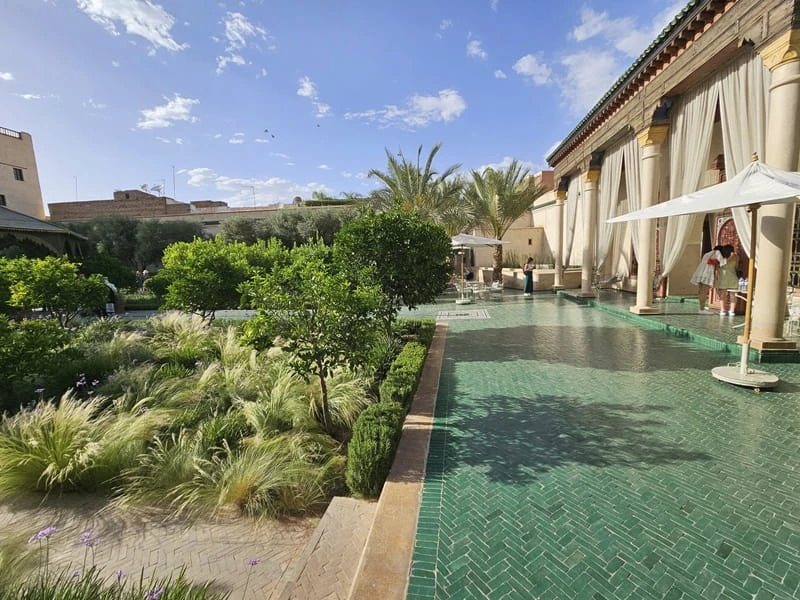
Moroccan garden with a reflecting pool behind the property enquiry

Personal initial consultation

Ready to find your property in Morocco?

Send your profile in just a few steps – confidentially, in a structured format and with personal attention.

Start an enquiry

Non-binding enquiry · No guarantee regarding returns, legal matters or tax · Reply usually within 1–3 working days

Enquire now!