New-build property in Morocco

Buying new-build property in Morocco—from plan to handover

Buying new-build property in Morocco: Check the developer, plot, plans, specification, payment schedule, construction progress and acceptance.

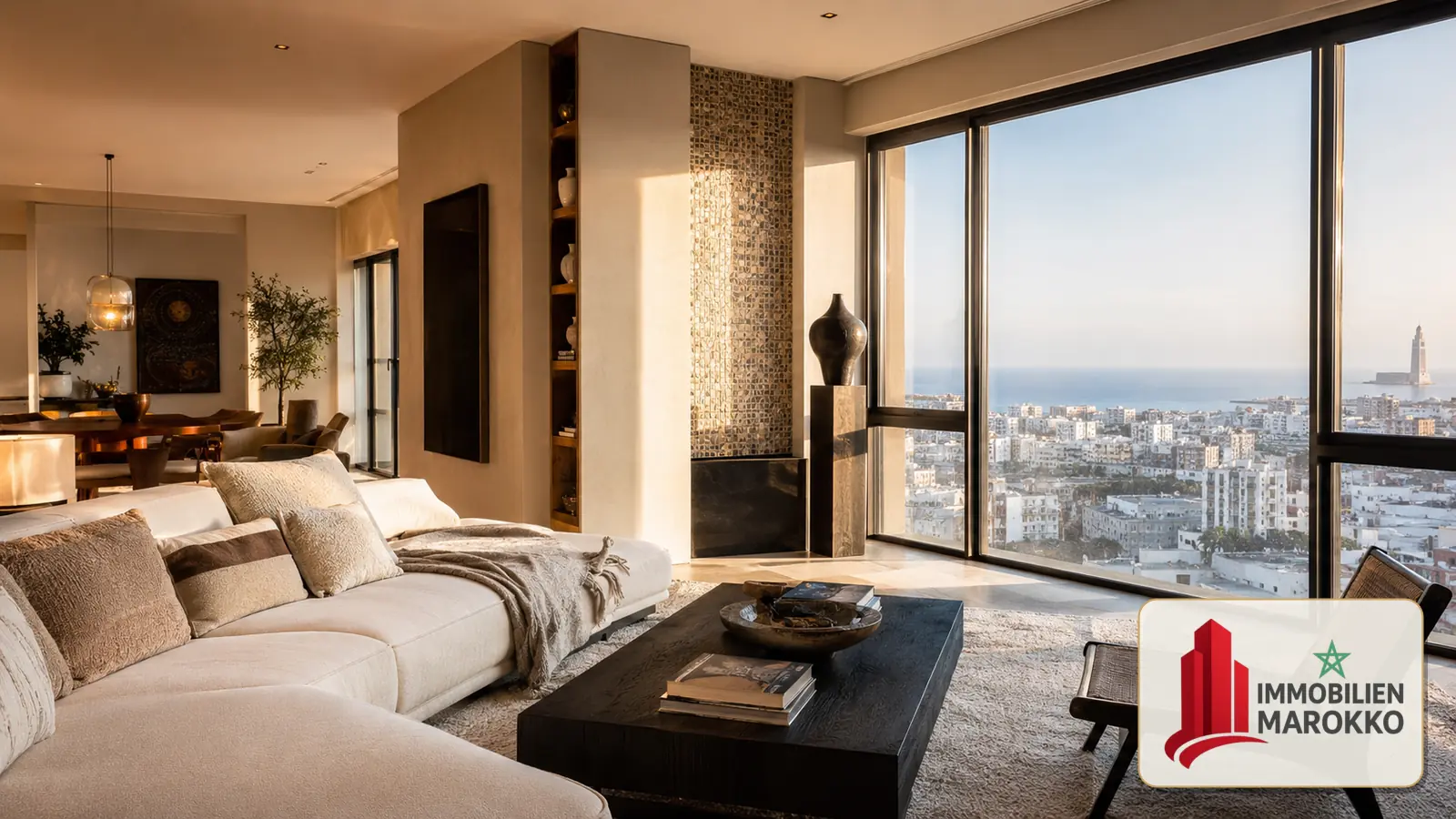
Modern apartment in Casablanca as an example of new-build property in Morocco

Direct answer

Buying new-build property in Morocco — a clear guide from plans to handover

When buying new-build property in Morocco, not only the completed unit but the entire project is assessed: the developer and representative, plot, approved plans, intended use, specification, payment terms, construction progress, completion and acceptance. Visualisations, show apartments and sales discussions are not a complete description of what is owed under the contract. Buyers therefore ensure that floor areas, materials, the parking space, communal facilities and permitted deviations are clearly allocated. Payments are linked to legally reviewed conditions and traceable milestones. DACHMA can coordinate information and appointments; the respectively responsible specialists undertake notarial, legal, construction-technical, tax and financial assessments.

A new build can offer more predictable layouts and modern features, but shifts part of the review to the future and the contract. The earlier the purchase, the more important the project basis, precise specification, amendment rules and a robust approach to delays become. Even shortly before completion, the owners’ association, acceptance and handling of defects remain relevant. Buyers should not tie up their entire budget in instalments, but retain reserves for due diligence, furnishing, transition costs and possible remedial work.

Official guidance: ANCFCC – Land register and cadastre . The linked body does not replace an individual review.

Review points

Five decisions that make the difference

01

Developer and project basis

The developer’s legal existence, representation and traceable references are assessed without deriving a guarantee from them. Ownership of the project plot, approved plans, intended use and current construction phase require suitable evidence. Reference projects can provide experience, but do not replace review of the new project.

02

Area and specification

Interior area, exterior area, community shares, parking space and storage room must be defined unambiguously. Materials, windows, sanitary fittings, climate systems, kitchen, lift and outdoor areas are described as specifically as possible. Buyers clarify the measuring method, permitted deviations and priority of contradictory plans, brochures or specification lists before committing contractually.

03

Contract and payment schedule

The price, instalments, due dates, conditions, completion, handover and consequences of changes or delays belong in a clear contractual review. A calendar date alone is not verified construction progress. Buyers agree with the notary’s office, bank and specialist advisers which evidence is required before payment and how the payment route will be documented.

04

Construction progress and changes

Regular, dated information helps compare actual progress with planning and agreed milestones. Changes to the layout, materials or communal facilities are not explained only verbally. Their technical, financial and legal significance must be clarified before consent is given. Site visits take place subject to access and safety requirements.

05

Acceptance and owners’ association

Before the keys are handed over, the unit, features and visible defects are compared with the specification. A report identifies the location, finding, responsibility and status. The lift, access, technical rooms, outdoor areas and works still in progress affect the entire building. The organisation, planned services and initial costs of the owners’ association are assessed separately.

Process

From the initial objective to a regulated next step

01

Clarify the objective and budget

For the ‘new-build property in Morocco’ project, intended use, region, property type, timeframe and total costs are defined in writing.

02

Narrow the search area

Determine micro-locations, everyday life, exclusion criteria and realistic alternatives.

03

Listings and viewing

Pre-filter information, consolidate appointments and document observations in a traceable manner.

04

Price and documents

Negotiate terms and have ownership, encumbrances, construction, use and costs reviewed separately.

05

Contract and payment

Coordinate the notary, specialist advisers, bank, deadlines, payment route and handover unambiguously.

06

Handover and management

Organise keys, the report, utilities, defects, inspections and letting as needed.

State risks realistically

What must be clarified before making a commitment

The principal risks include unclear project documents, instalments before traceable progress, deviations from the brochure, delayed completion, changing materials, areas that are not clearly defined and premature acceptance. A well-known developer or an elaborately fitted show apartment does not replace a project and contract review. Even a building that appears complete may have unfinished communal facilities, missing documents or defects. The legal consequences of delays, changes and declarations at handover depend on the specific contract and must not be assumed in general terms. Technical defects and legal claims are documented separately and assigned to the responsible specialists.

Professional limitations remain visible

Due diligence and coordination reduce information gaps. They replace neither individual review nor the responsibility of the relevant specialists.

Next step

Submit a qualified enquiry

Send the project name, city, construction phase, desired unit, budget, financing status and documents already received. DACHMA can organise unresolved information and coordinate appointments. Before a reservation, the project basis, specification, payment plan and scope of external review are defined in particular.

Submit the search profile

Decision-making in practice

Questions before committing: Buying new-build property in Morocco—from the plans to handover

A sound purchase process combines several perspectives. A financially appropriate price is insufficient if ownership, use or condition remains unresolved. Conversely, a legally sound property does not automatically become the right choice if the location, everyday life and ongoing costs do not suit the buyer. Facts, assumptions and personal preferences are therefore documented separately.

Before making a reservation, it should be clear which documents are already available, which reviews remain open and who will undertake them. Every assurance receives a source or remains expressly marked as an assumption. This applies particularly to rental potential, renovation, construction progress, permissions and future infrastructure. Decisions under artificial time pressure do not fit this approach.

What DACHMA contributes specifically

DACHMA structures German-language communication, assists with selection and viewings, prepares negotiation and due-diligence questions, and coordinates agreed steps through to handover. The responsibility of external specialists remains visible. The buyer therefore knows who made a statement and what its scope is. This transparency is more important than a blanket promise that everything has been ‘verified’.

How a decision is documented

For serious candidates, advantages, unresolved points, costs, documents, responsibilities and deadlines are brought together. A decision follows only when material risks are understood. This may mean requesting further documents, commissioning a technical inspection, renegotiating terms or stepping away from a property. Ending the process can also be a good outcome.

Sources and professional limitations

Information as at 19 July 2026. The following bodies provide general guidance on the land register, notarial matters, finance or the respective location.

The information provides guidance and does not replace individual notarial, legal, tax, technical or financial advice.

Frequently asked questions

Frequently asked questions: Buying new-build property in Morocco—from the plans to handover

Can I buy a new-build property in Morocco off-plan?

That may be possible depending on the project and contract, but increases the need for precise documentation. The plot, plans, specification, payment terms and completion must be reviewed professionally. The less that can be viewed physically, the more important unambiguous contractual documents and traceable milestones become.

How do I check a developer?

The legal existence, representation, basis of the project and traceable previous projects can be reviewed. Discussions with previous buyers or visits to reference projects can provide additional impressions. This does not, however, guarantee that the timing, quality or financial result of the new project will meet expectations.

Which floor area ultimately appears in the contract?

This must be clarified unambiguously in the specific plans. Interior, exterior and communal areas may be described or measured differently. Buyers should have suitable specialists examine the definition of area, plan, measuring method, ancillary areas and possible tolerances instead of simply adopting the largest figure in the sales brochure.

When should instalments be paid?

Due dates follow from the legally reviewed contract and agreed processing model. Before every payment, it should be clear which condition has been met, which progress has been confirmed and which recipient is intended. DACHMA coordinates documents, but determines neither legal maturity nor approval by the bank.

Who supports the technical handover inspection?

DACHMA can organise the appointment, checklist and communication. Depending on the property, a qualified specialist should be involved for technical assessment, measurements and prioritisation of defects. The legal significance of the report as well as deadlines and claims are clarified separately by the responsible legal or notarial professionals.

Are new buildings maintenance-free?

No. New buildings require community organisation, maintenance and possibly rectification. The lift, pumps, façade, roof, climate systems and outdoor areas create ongoing tasks. Early community cost figures may change; buyers should assess the scope of service, basis of calculation and a sufficient personal reserve cautiously.

Geographical orientation

Choose a Moroccan city to suit your daily life

The cities are positioned using their geographical coordinates. The High Atlas is marked as a landscape region, while Midelt lies farther east at the transition between mountain regions.

Compare all locations Boundary geometry: Natural Earth · no external map trackers
Map of Morocco showing selected cities and the High AtlasGeographically projected orientation map showing Tangier, Tetouan, Rabat, Casablanca, Meknes, Fez, Midelt, Marrakech, Essaouira and Agadir.High AtlasTangierTetouanRabatCasablancaMeknesFezMideltMarrakechEssaouiraAgadir
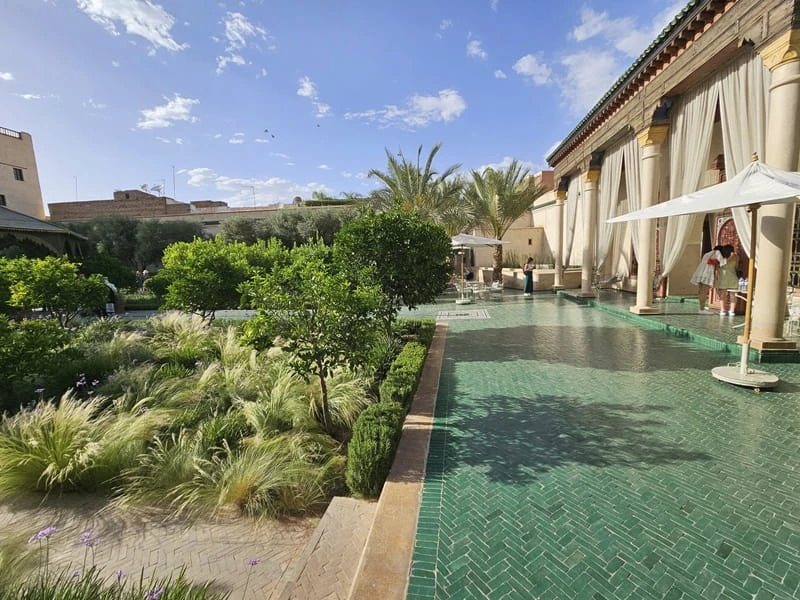
Moroccan garden with a reflecting pool behind the property enquiry

Personal initial consultation

Ready to find your property in Morocco?

Send your profile in just a few steps – confidentially, in a structured format and with personal attention.

Start an enquiry

Non-binding enquiry · No guarantee regarding returns, legal matters or tax · Reply usually within 1–3 working days

Enquire now!